
Flooring Turnover Guide for Landlords and Property Managers
What to install so you're not re-flooring every tenant, and how to turn a unit over without losing a month.
- 5.0★ from 65 Google reviews
- 20+ years in East Idaho
- Free written estimates
- Dust-contained sanding
- Moisture tested before install
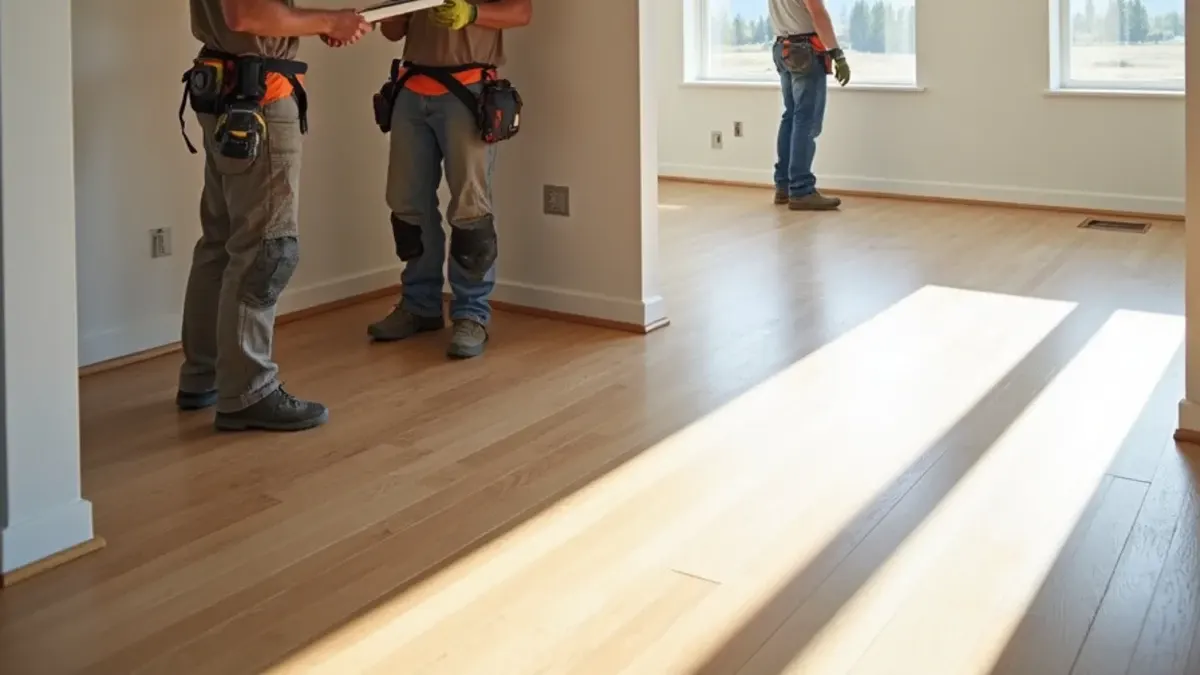
The best rental flooring is durable, repairable in place, and fast to turn over between tenants. For most Idaho landlords that means quality LVP in common areas, with cost measured per year of service rather than upfront. The real cost is downtime between tenants, so choose floors you can fix in a day, not a week.
What landlords should actually optimize for
Choosing rental flooring is a different decision than choosing floors for your own home. You're not optimizing for the floor you'll love for twenty years. You're optimizing for the lowest total cost across many tenants and many turnovers, with the shortest possible vacancy each time.
That reframes everything. The best rental floor is durable enough to survive careless tenants, repairable in place so one damaged spot doesn't mean redoing a room, and fast to clean or swap between leases. Looks matter only insofar as they rent the unit. In Idaho's rental markets, from Pocatello to Rexburg, the owners who do well treat flooring as a cost-per-year line item, not a one-time purchase.
There's also the security-deposit and dispute angle. A hard-surface floor you can inspect at a glance makes move-out walkthroughs cleaner and deposit deductions easier to justify than carpet, where normal wear and genuine damage blur together. Fewer arguments at turnover is a real, if quiet, benefit of the right floor, and it keeps units moving on schedule.
Want a straight answer for your floor?
Free, written estimates across East Idaho.
Flooring options ranked for turnover
Ranked for turnover, LVP sits at the top for most units because it combines a reasonable upfront cost, a long life, and the ability to repair a single plank without touching the rest of the floor.
| Flooring | Upfront cost | Expected life in a rental | Turnover handling | Verdict |
|---|---|---|---|---|
| Luxury vinyl plank | Low to mid | 10-20 years | Swap single planks in an afternoon | Best all-round rental floor |
| Sheet vinyl | Low | 5-10 years | Mop clean; replace if torn | Good for baths and laundry |
| Engineered hardwood | Mid to high | 20+ years, recoatable | Recoat between tenants, days | Premium or long-term units |
| Carpet | Low | 3-7 years | Usually full replacement each turn | Bedrooms only; costly over time |
| Laminate | Low | 7-12 years | Replace planks; fails if wet | Dry rooms only |
| Tile | High | 20+ years | Durable but slow, costly to repair | Entries and wet zones |
The cost-per-year math landlords miss
Landlords tend to compare flooring on price per square foot installed. That's the wrong number. The right number is cost per year of service, and it changes the ranking completely.
Take carpet versus LVP. Carpet is cheaper to install, but in a rental it often needs full replacement every few tenants, so you're buying it over and over. LVP costs more upfront but can run ten to twenty years with only occasional plank swaps. Spread each across its lifespan and the carpet that looked cheaper usually costs more per year. Add the labor of repeated carpet replacement and the gap widens.
Then fold in vacancy. A floor that forces a week of downtime at every turnover costs you a week of rent each time, on top of the material. A floor you patch in an afternoon doesn't. When you run those numbers across the life of the unit, the durable, repairable, fast-to-turn floor almost always wins, even when it costs more on day one. We help owners run that math before they buy.
Scheduling a turnover without losing a month
The vacancy between tenants is where flooring quietly costs you the most, so the scheduling matters as much as the material. The worst case is a floor that needs full replacement or refinishing right when you're trying to re-rent, because that work takes the unit offline during your lease-up window. We return calls within one business hour and put written quotes in your hands, which matters when a turnover is on the clock. A few scheduling habits keep the floor from stealing your month.
- Keep matching stock on hand: store an extra box of the exact LVP lot so turnover repairs match and don't wait on an order.
- Book flooring work the moment a tenant gives notice, not after they're out, so the crew is scheduled, not sought.
- Batch turnovers: if several units run on the same lease cycle, schedule flooring together to lock in crew time.
- Choose repair-in-place materials so most turnovers are a patch, not a reinstall.
- Reserve refinishing for the slow season or long gaps between tenants, never for a tight re-rent window.
The honest trade-offs by property type
There's no single right answer across every rental, and the honest trade-offs depend on what you own. For a standard apartment or a Rexburg student unit on a fast cycle, lean all-in on LVP: cheapest total cost, fastest turnover, no refinishing downtime. The look is fine for the market and the repair-in-place factor is decisive.
For a premium single-family rental or a long-term tenant you want to keep, engineered hardwood can pay off. It commands higher rent, lasts decades, and can be recoated rather than replaced, so its cost per year is competitive if tenants stay put. The risk is a hard tenant scratching it and forcing a refinish, so it fits careful, long-stay rentals better than high churn.
Multi-unit owners get an extra advantage by standardizing. If every unit runs the same LVP in the same color and lot where possible, one stocked box of planks covers repairs across the whole building, and crews work faster because they know the product. Standardization turns flooring from a per-unit scramble into a predictable line item you can budget a year out.
Carpet's honest place is bedrooms and budget units only, with the understanding that you'll replace it on a short cycle. Tile earns its keep in entries and wet areas where it never wears out, despite the slow, costly repairs. The mistake is picking any one material for the whole portfolio; the right call is matching the floor to how each unit actually turns.
The honest caution on the LVP-everywhere trend is that quality still matters. The market is flooded with bargain vinyl plank, and the cheapest products dent under appliance feet, show seams, and peel at the edges in a year or two, which eats the turnover savings you bought them for. A better plank with a heavier wear layer, laid over a properly flat subfloor, is the version that actually delivers the low cost-per-year. Buying the cheapest box and skipping the subfloor prep is how landlords end up re-flooring anyway, just with extra steps.
FAQ
Quick questions
What's the most cost-effective flooring for a rental?
For most units, quality luxury vinyl plank in the common areas. It isn't the cheapest to install, but it lasts ten to twenty years, survives careless tenants, and lets you replace one damaged board instead of redoing a room. Measured as cost per year of service plus turnover downtime, it usually beats cheaper options like carpet that need frequent full replacement.
Should landlords ever install real hardwood in a rental?
Sometimes. Engineered hardwood makes sense in premium single-family rentals or long-term units where it commands higher rent and tenants stay put, because it lasts decades and can be recoated rather than replaced. It's a poor fit for high-churn units, where scratches force refinishing and take the unit offline between tenants. Match the floor to how the unit actually turns over.
How do I turn a rental over quickly without redoing the whole floor?
Choose repair-in-place materials like LVP and keep an extra box of the exact lot on hand, so most turnovers are a same-week patch, not a reinstall. Book flooring work as soon as a tenant gives notice rather than after they leave. Save any full refinishing for slow seasons or long vacancies, never for a tight re-rent window.
Is carpet ever the right choice for a rental?
In bedrooms and budget units, carpet still has a place for warmth and low upfront cost, as long as you plan to replace it on a short cycle. In common areas, entries and kitchens it's usually a false economy, since it stains and mats and needs frequent full replacement. Most Idaho landlords keep carpet to bedrooms and run LVP everywhere else.
The bottom line
Smart rental flooring is a cost-per-year decision, not a sticker-price one: durable, repairable in place, and fast to turn over so you never lose a month of rent to the floor. We help Idaho landlords and property managers from Rexburg to Pocatello pick floors that pay off across many tenants. Call (844) 954-6342 for fast scheduling and a written quote you can budget around.
Floors on your mind?
Call for a free, written estimate across Idaho Falls and East Idaho.
- 5.0★ from 65 Google reviews
- 20+ years in East Idaho
- Free written estimates
- Dust-contained sanding
- Moisture tested before install
Wood Flooring Idaho · Idaho Falls, ID 83401 · (844) 954-6342