
Cupped & Buckled Hardwood Floor Repair in Idaho Falls
Boards with edges rising higher than their centers, a floor that's gone wavy, or planks that have lifted clean off the subfloor — cupping and buckling in your Idaho Falls home are moisture telling you something. We find the source first, let the wood stabilize, then flatten, replace or refinish. Call (844) 954-6342.
- 5.0★ from 65 Google reviews
- 20+ years in East Idaho
- Free written estimates
- Dust-contained sanding
- Moisture tested before install
Scope
What cupped & buckled repair includes
Cupping and buckling are symptoms, not the disease, so our work begins with the moisture behind them — not the sander. Cupping, where board edges sit higher than their centers, means the underside of the wood is wetter than the top; buckling, where boards lift off the subfloor, is cupping's extreme. We meter the floor and subfloor, look underneath from a basement or crawlspace where we can, and track down the source — a slab wicking moisture, a crawlspace with no vapor barrier, a plumbing leak, or a humidity swing that overwhelmed the floor. Only once the source is corrected and the wood has dried and stabilized do we touch the surface. Sanding a floor that's still wet just means it cups again, or crowns, the moment it dries. Boards that flatten as they dry can often be sanded level and refinished; boards that split, stay cupped or delaminate get cut out and replaced with matching wood. For a buckled floor we judge how many boards lost their bond and whether re-fastening or replacement is right. The aim is a floor that stays flat the second time.
- Moisture metering of boards and subfloor to find why the floor moved
- Source tracing — slab vapor, crawlspace, plumbing leak or humidity swing
- Controlled drying and stabilization before any sanding
- Sanding flat and refinishing of boards that recover as they dry
- Cut-out replacement of split, delaminated or permanently cupped boards
- Re-fastening or board replacement for sections that buckled off the subfloor
What to know
Reading the difference between cupping, crowning and buckling
The shape of the distortion tells us what's happening underneath. Cupping is the most common: board edges rise above the center, forming shallow troughs you can feel with a bare foot or see as a washboard pattern across the floor. It means moisture is higher below the boards than above — classic for East Idaho basements and crawlspaces, or after a leak. Crowning is the reverse, with centers higher than edges; it often appears when a cupped floor was sanded flat too soon and then dried, or when the top of the board took on moisture. Buckling is the severe case — boards lift and separate from the subfloor — and usually follows a major wetting or a floor installed with no expansion room. Winter is also when you'll notice the opposite problem: dry furnace heat shrinks boards and opens gaps. Each pattern points to a different cause, and the cause decides the fix. We diagnose the shape and meter the moisture before recommending anything, because treating the symptom without the source just resets the clock.
Our process
How the job goes
- 1
Diagnose the distortion
We identify whether the floor is cupped, crowned or buckled, and map how widespread it is, since the shape points to where the moisture is.
- 2
Moisture metering and source hunt
We meter boards and subfloor and inspect from below where possible to find the source — slab, crawlspace, leak or seasonal humidity.
- 3
Correct the moisture source
The underlying cause is addressed — a vapor barrier, a leak repair, drainage or humidity control — so the floor isn't fighting moisture anymore.
- 4
Dry and stabilize
The wood is dried in a controlled way and allowed to reach a stable moisture content; many cupped boards flatten on their own at this stage.
- 5
Flatten, replace or re-fasten
Recovered boards are sanded level; split or permanently distorted boards are cut out and replaced; buckled sections are re-secured or rebuilt.
- 6
Refinish and blend
We sand the repaired area and blend stain and finish into the surrounding floor for an even, flat result.
Questions about cupped & buckled repair?
Free, written estimates across East Idaho.
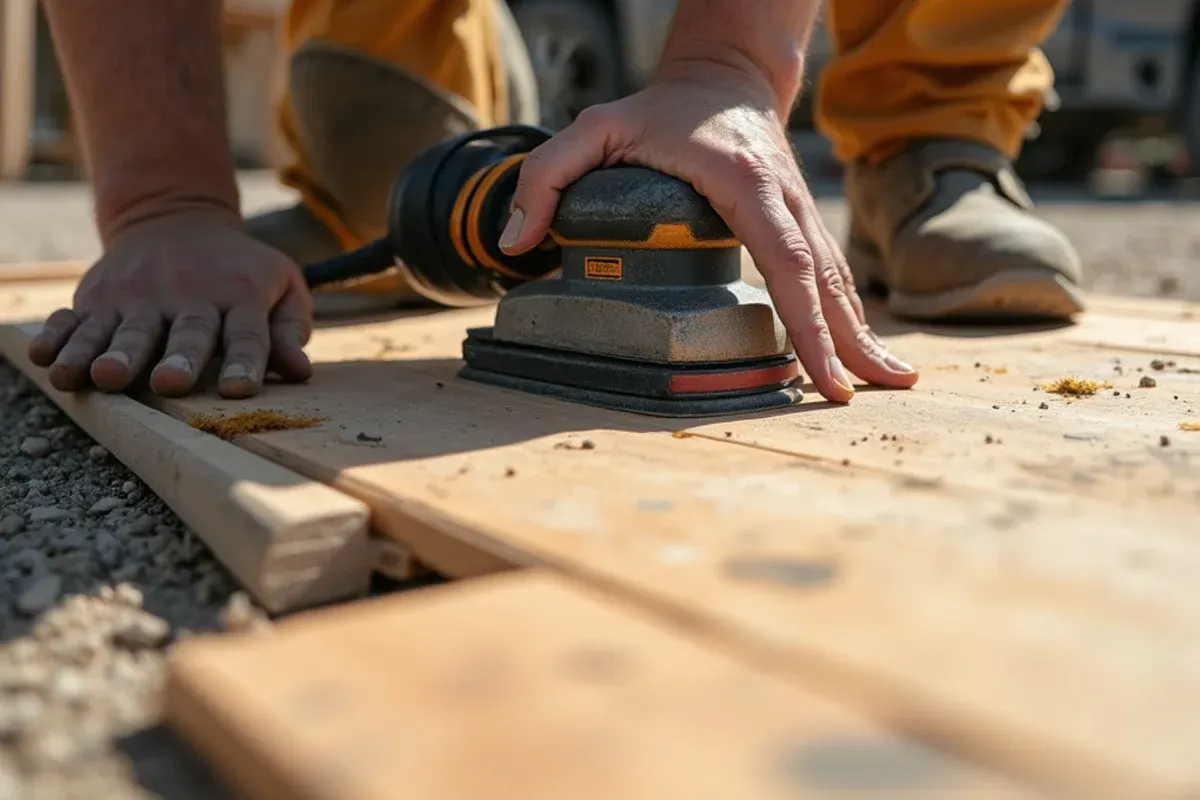
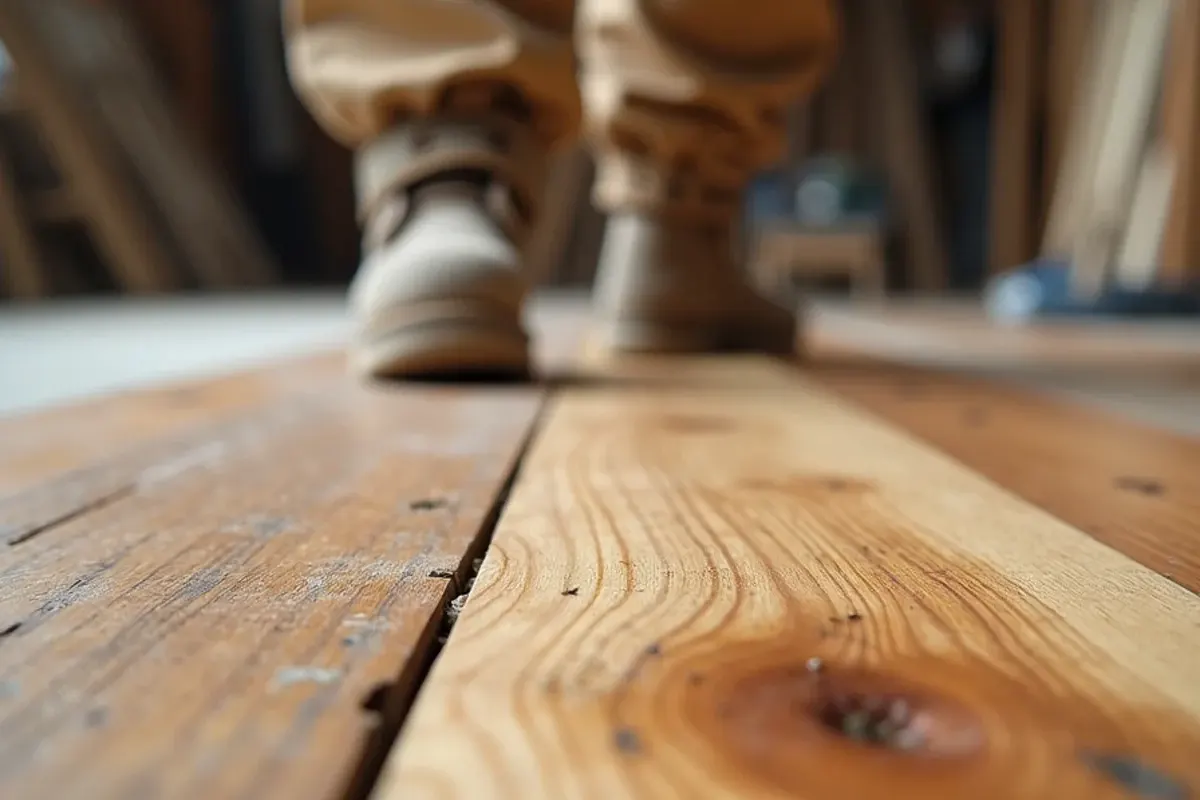
A look at the work
Representative scenes
Illustrative images of this kind of work in East Idaho homes.
Cost
What determines the cost of fixing a cupped or buckled floor
Because cupping and buckling are moisture problems, the cost depends as much on the source as on the floor. Correcting the cause is the first variable — adding a crawlspace vapor barrier, fixing a leak, or improving drainage ranges from minor to significant, and sometimes involves another trade. The extent of the distortion drives the rest: a small cupped area that flattens with drying and a light sanding costs far less than a buckled floor where many boards lost their bond and must be replaced. Matching the replacement wood matters — a common species and width is inexpensive, while a discontinued product takes sourcing. Drying time and equipment add to the job when the floor is still wet. Subfloor repair, if moisture rotted or swelled it, is its own line. And refinishing the sanded area, or the whole room for a seamless look, factors in. We meter, find the source, and give you a written, itemized estimate that separates the moisture fix from the floor repair, so you see exactly what you're paying for. Call (844) 954-6342.
Local rules & licensing
Permits, registration and your project
Flattening or replacing distorted boards is a repair that typically needs no building permit. Work billed at $2,000 or above brings Idaho's contractor-registration requirement into play, a program the Idaho Division of Occupational and Professional Licenses runs through its Idaho Contractors Board. That is a registration, not a skills license. Because cupping and buckling are moisture-driven, the real fix often involves the source — a plumbing repair, or crawlspace and drainage work — and some of that may require a permit from the City of Idaho Falls or your county building department, handled by the right trade. We'll point you to the correct office; always confirm current requirements with the city or county when plumbing or structural moisture work is part of the job.
Why Wood Flooring Idaho
Honest, on-time, done right
Cupping and buckling fool people into sanding too soon, and a floor flattened while it's still wet simply crowns or cups again. Owner Tyler Moore has worked East Idaho floors since 2007 — more than twenty years in the trade, formerly Moore Construction LLC — long enough to know our basements, crawlspaces and dry-winter swings. We meter the moisture and chase the source before we touch the surface, so the floor stays flat the second time. You get a written, itemized quote that separates the moisture fix from the floor repair. Calls are answered or returned within one business hour, and we aim to reach our core towns within two business days. Our Google record stands at a 5.0-star average across 65 reviews.
Reviews
What neighbors say
“We had carpet removed and new red oak flooring installed to match our existing floor. With Tyler's expert guidance we found the perfect stain color. The matching of old and new flooring is flawless and the result is stunning. Both Tyler and Danny do exceptional work and were always friendly and professional. Highly recommend!”
Response from Tyler Moore
K Lee, thank you for trusting us with your home and flooring. I am glad you are happy with the floors — you were a pleasure to work for.
“Wood Flooring Idaho just finished our floors and they are beautiful! We had oak in the kitchen and wanted it extended into the dining room — their answer was “No Problem.” You absolutely cannot tell where they joined the new flooring with the old. They removed our tile entryway and replaced it with oak. Tyler is professional, particular and hardworking.”
Response from Tyler Moore
Shawna, it was our pleasure working with you and Craig. We are grateful for your business and friendship.
“Tyler and his team did an amazing job. We had a flood and were very worried our hardwood floor would never look good again. Enter Wood Flooring Idaho and our floors look amazing! Tyler was great at explaining the process, best practices, and letting us know what was possible and what was not. Great company, great work and great people!”
Response from Tyler Moore
Thank you John. It was an honor to work for you and your wife.
Service area
Cupped & Buckled Repair across East Idaho
We bring this work to Idaho Falls and the communities around it.
FAQ
Cupped & Buckled Repair questions
What causes hardwood to cup?
Moisture imbalance — the underside of the boards is wetter than the top, so the edges swell and rise above the center. In East Idaho that often traces to a damp basement or crawlspace, a slab wicking moisture, a slow leak, or a humid stretch after dry winter air. Spills left to soak in do it locally. Cupping is the wood telling you there's excess moisture below; the cup itself is just the visible result of that imbalance.
Will cupped boards flatten by themselves?
Often, yes — if you fix the moisture source and let the floor dry slowly and evenly. As the underside gives up its excess moisture and balances with the top, many cupped boards settle back flat on their own, no sanding needed. But it takes time, sometimes weeks or months, and it only works once the source is corrected. Boards that split, delaminated or cupped severely may not fully recover and need replacing. We meter before deciding.
When does a buckled floor need replacing?
When boards have lifted off the subfloor, lost their bond, split, or stayed distorted after drying, replacement of those boards — sometimes a whole area — is the fix. Buckling is the severe end of moisture damage, so we first stop the source and dry everything out. Some boards re-seat and can be re-fastened; those that are split, crowned or delaminated get cut out and replaced with matching wood. We assess board by board rather than condemning the whole floor by default.
Should cupped floors be sanded right away?
No — sanding a cupped floor while it's still wet is the most common and costly mistake. The boards are swollen; sand them flat now and, once they dry and shrink, you're left with a crowned, over-thinned floor and wasted wear layer. The right order is to fix the moisture source, dry the wood, and let it flatten on its own as much as it will. Only then do we sand whatever unevenness remains. Patience here saves your floor.
Ready for cupped & buckled repair in Idaho Falls?
Call for a free, written estimate — we serve Idaho Falls and East Idaho.
- 5.0★ from 65 Google reviews
- 20+ years in East Idaho
- Free written estimates
- Dust-contained sanding
- Moisture tested before install
Wood Flooring Idaho · Idaho Falls, ID 83401 · (844) 954-6342