
Engineered Hardwood Flooring in Idaho Falls
Want real wood in a basement, over a concrete slab, or above radiant heat where solid planks would cup? Engineered hardwood gives your Idaho Falls home a genuine wood surface on a stable plywood core that rides out dry winters and damp summers. We moisture-check and pick the right install method. Call (844) 954-6342.
- 5.0★ from 65 Google reviews
- 20+ years in East Idaho
- Free written estimates
- Dust-contained sanding
- Moisture tested before install
Scope
What engineered hardwood includes
Engineered hardwood is real wood — a sawn or sliced hardwood wear layer bonded over a cross-laid plywood core. That core is the whole point: it resists the seasonal expansion and contraction that makes solid wood cup, gap and buckle, which is why engineered is the right call for the places solid hardwood can't safely go. Our install starts with the subfloor and a moisture reading, because a basement slab or a crawlspace that's too wet will undo any wood floor. Depending on the product and the subfloor, engineered goes down one of three ways — floated over an underlayment, glued directly to a slab, or nailed and stapled to a wood subfloor. We help you choose species, plank width and, importantly, wear-layer thickness, since that determines whether the floor can be refinished later. Then we acclimate the material, lay out the room for clean sight-lines, install with the right expansion space, and finish with transitions and trim. The result looks and feels like a solid wood floor, but it behaves itself in conditions that would wreck one.
- Moisture readings on slabs and over crawlspaces before any wood goes down
- Floating, glue-down or nail/staple install matched to the subfloor
- Guidance on species, plank width and wear-layer thickness for your rooms
- Material acclimated in the home before installation
- Correct expansion space and layout for straight sight-lines
- Transitions, thresholds and trim built to adjoining floors
What to know
The rooms where engineered hardwood beats solid wood
Engineered hardwood exists to solve a specific problem: putting real wood where moisture or structure rules out solid planks. Basements top the list. Below-grade concrete holds moisture, and East Idaho's irrigation season raises the water table, so a slab that would cup solid oak suits a stable engineered floor glued or floated down instead. Concrete slabs on any level are the same story — you can't nail into concrete, and solid wood glued to slab risks moisture trouble, while engineered is built for it. Rooms over radiant heat are another natural fit, since the cross-laid core tolerates the warm-up and cool-down cycles that open gaps in solid wood. Wide-plank looks also favor engineered, because a wide solid board moves more and is likelier to cup. If you're on a standard wood subfloor on a main or upper floor and want a lifetime, many-times-refinishable floor, solid hardwood may still be the better buy. We take a moisture reading and look at your subfloor before steering you either way.
Our process
How the job goes
- 1
Subfloor check and moisture testing
We evaluate the slab, crawlspace or wood subfloor and take moisture readings, since excess moisture is the one thing that defeats any wood floor.
- 2
Product and method selection
We match species, width and wear-layer thickness to your rooms, and pick floating, glue-down or nail-down based on the subfloor underneath.
- 3
Acclimate the material
The flooring sits in your home until the wood and room agree on moisture content, so it won't move after installation.
- 4
Subfloor prep
We flatten the surface to tolerance, clean it, and add underlayment or a moisture barrier where the method and subfloor call for one.
- 5
Snap layout and install
We snap layout lines for straight runs, then float, glue or nail the planks with the manufacturer's expansion space held at every edge.
- 6
Thresholds, trim and cleanup
We build thresholds to adjoining floors, reinstall or add trim, vacuum the site and leave a simple care guide.
Questions about engineered hardwood?
Free, written estimates across East Idaho.
A look at the work
Representative scenes
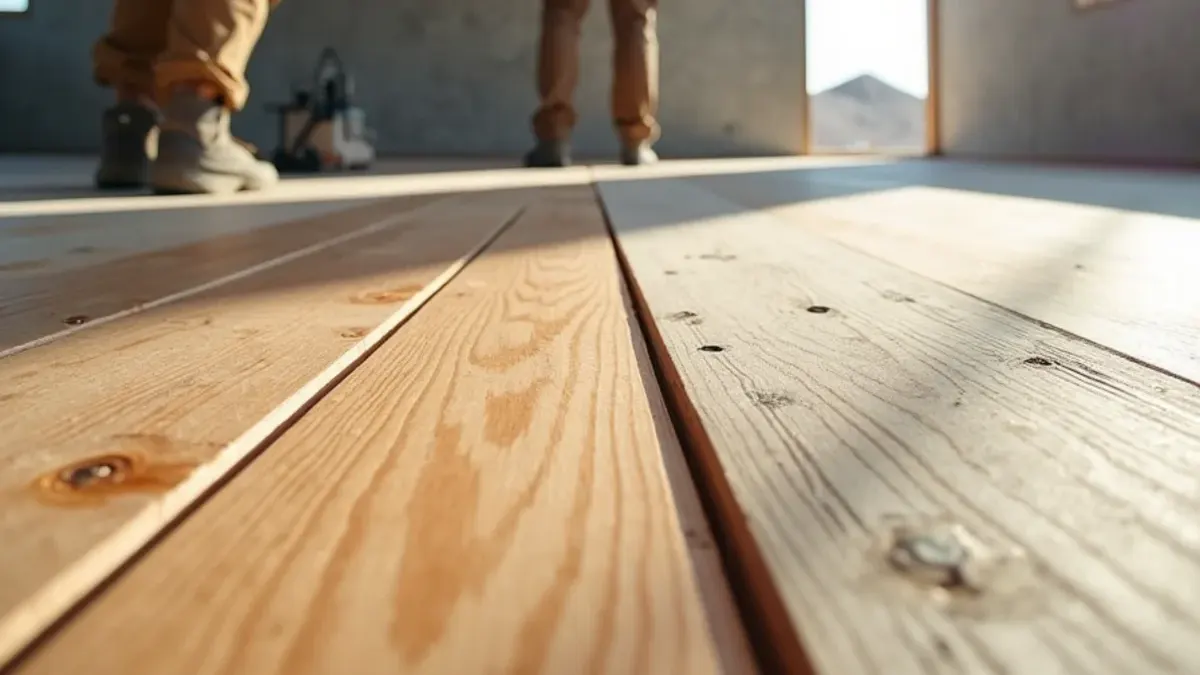
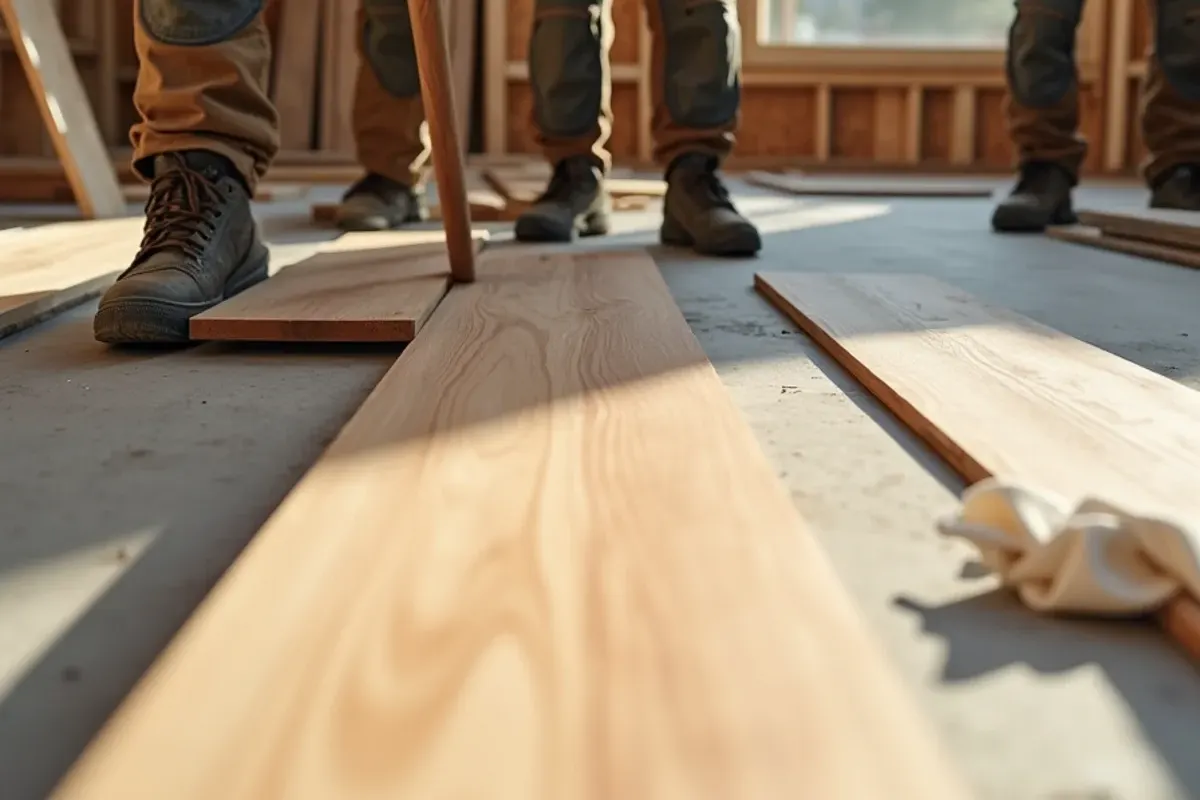
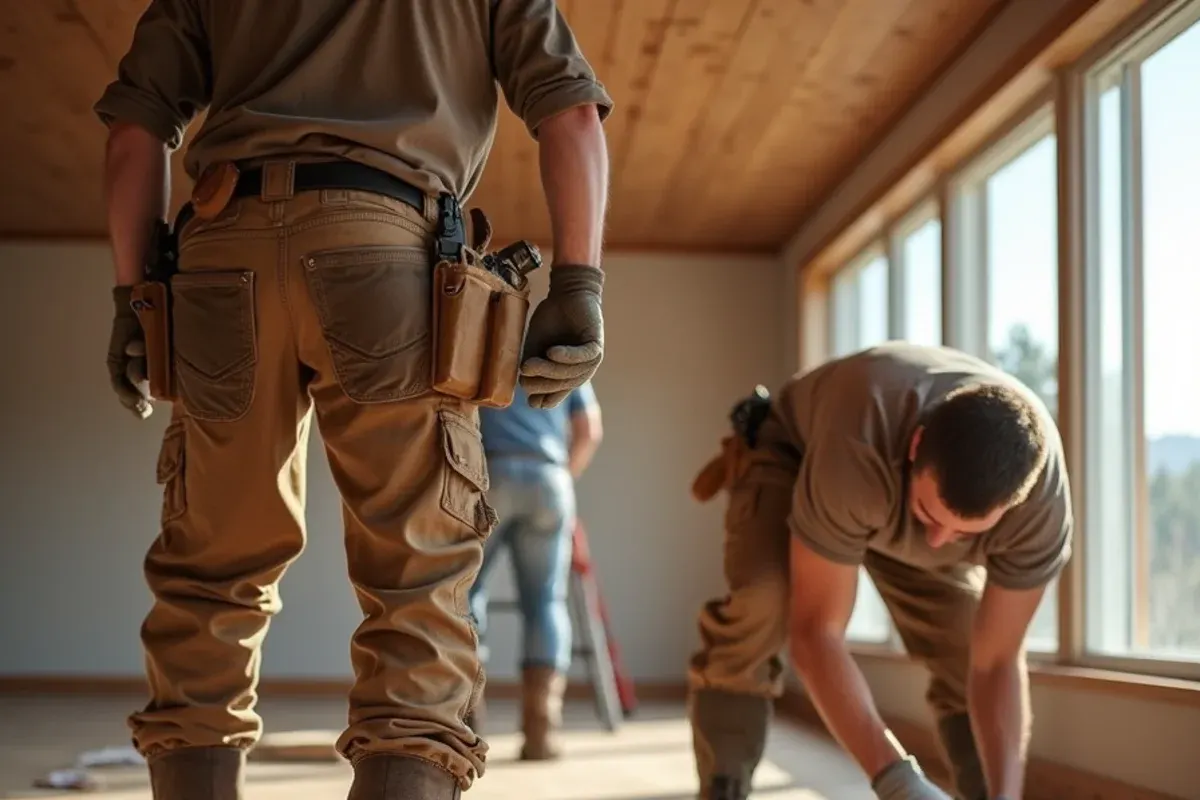
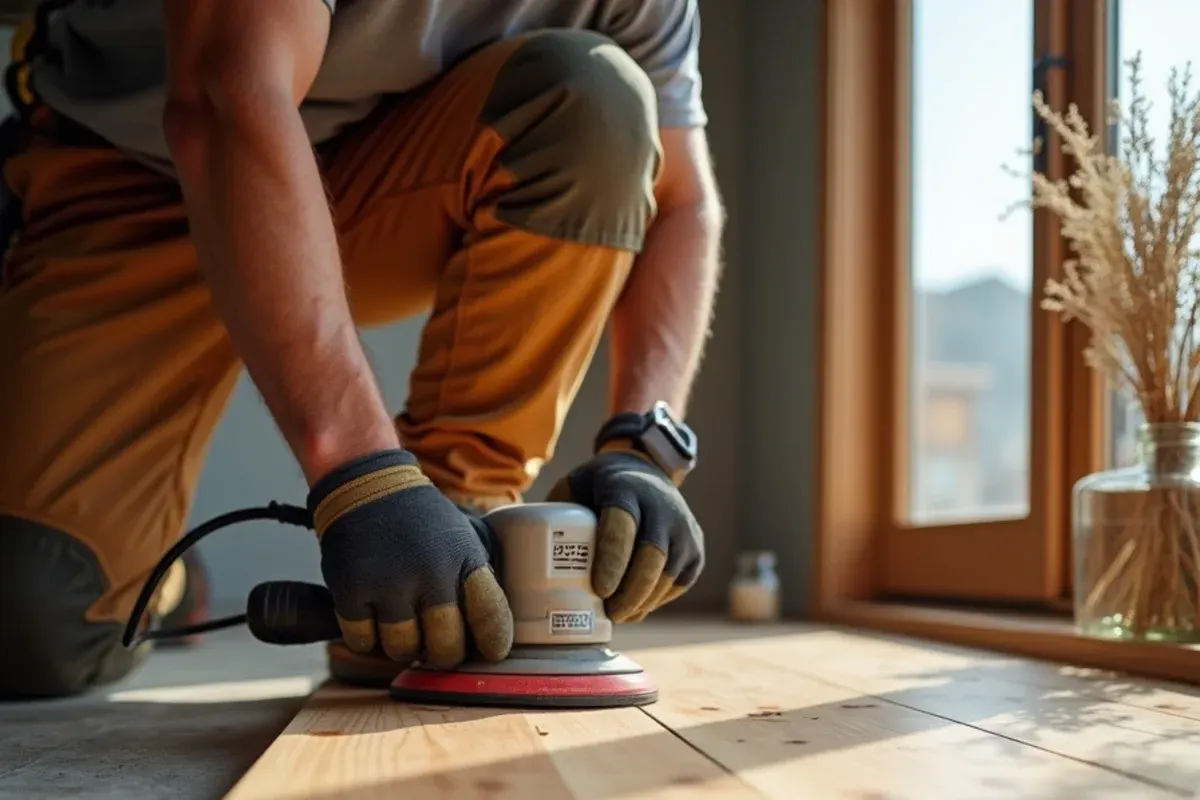
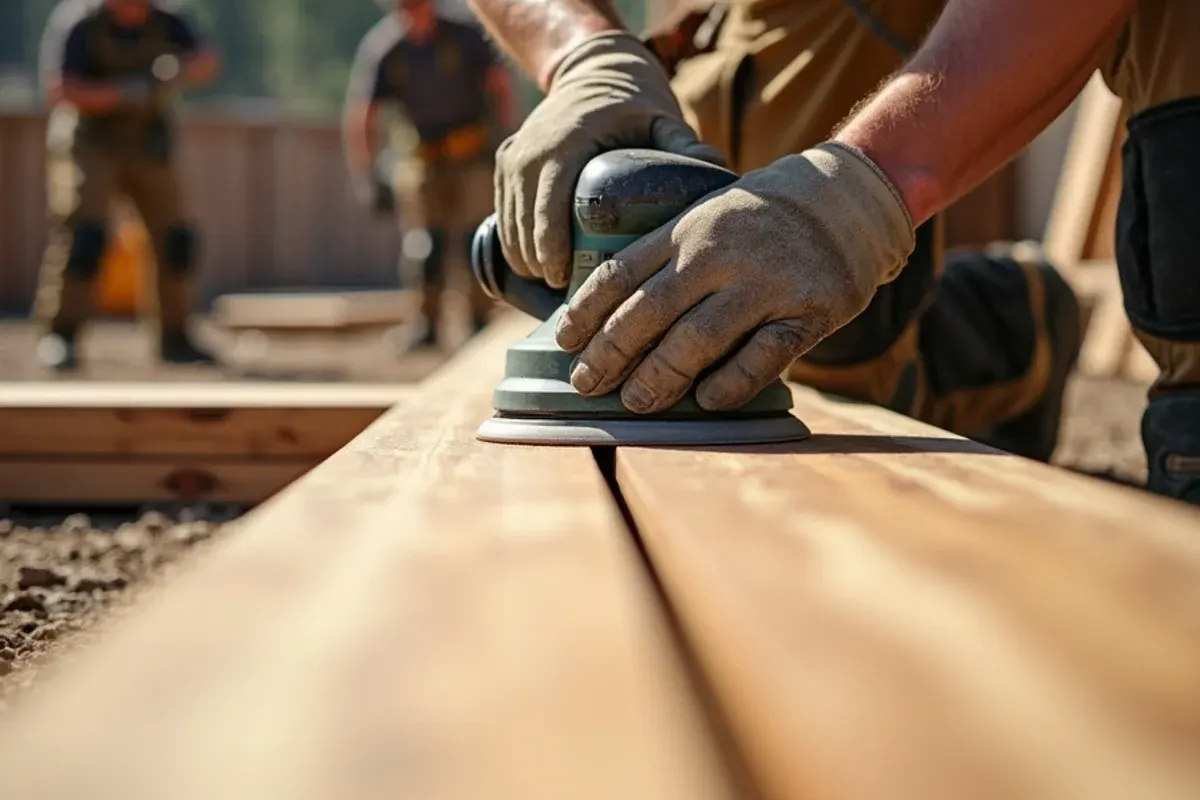
Illustrative images of this kind of work in East Idaho homes.
Cost
What engineered hardwood costs to install in Idaho Falls
Engineered flooring is priced per square foot installed, and the product itself spans a wide range. A thin-veneer, narrow-plank engineered floor sits near LVP in price, while a thick-sawn-veneer wide plank in white oak or walnut costs as much as some solid wood. Wear-layer thickness drives both price and value — a thicker veneer costs more but can be refinished later, which a paper-thin one cannot. Install method matters too: glue-down on a slab uses adhesive and labor that a floating floor doesn't, and nail-down over wood is its own rate. Subfloor prep is the usual swing factor, since flattening a wavy slab or adding a moisture barrier adds work before the first plank. Room size and layout, stairs, tear-out of old flooring, and transitions and trim all show up as line items. We measure the rooms, read the moisture, recommend a wear layer that fits how long you plan to keep the floor, and hand you a written, itemized estimate. Call (844) 954-6342 for a free measure.
Local rules & licensing
Permits, registration and your project
Laying an engineered wood floor doesn't change your home's structure, plumbing or wiring, so it typically needs no building permit on its own. A project reaching $2,000 triggers Idaho's requirement that the contractor hold a state registration, handled by the Idaho Contractors Board within the Idaho Division of Occupational and Professional Licenses. It is a registration, not a trade-competency license. Engineered floors often go into basement finishes; if yours includes new walls, egress windows or circuits, those parts may require permits from the City of Idaho Falls or your county building department. We'll direct you to the correct office; always confirm current requirements with the city or county before starting a basement finish.
Why Wood Flooring Idaho
Honest, on-time, done right
Choosing engineered well is mostly about reading moisture and the subfloor correctly, and that's where experience counts. Owner Tyler Moore has worked East Idaho floors since 2007 — more than twenty years in the trade, formerly Moore Construction LLC. Every engineered job starts with a moisture reading, because that's what tells us whether to float, glue or nail, and whether the room is ready for wood at all. We'll steer you to a wear-layer thickness that matches how long you want the floor to last, and put it all in a written, itemized quote before we begin. Calls are answered or returned within one business hour, and we aim to reach our core towns for a free estimate within two business days. Our Google record stands at 5.0 stars across 65 reviews.
Reviews
What neighbors say
“We absolutely love our floor. Wood Flooring Idaho helped us pick out the best flooring for our needs. Tyler is professional, thorough and meticulous with installing floors. He makes sure the job is done right and to our expectations.”
Service area
Engineered Hardwood across East Idaho
We bring this work to Idaho Falls and the communities around it.
FAQ
Engineered Hardwood questions
Can engineered hardwood go in a basement?
Yes — basements are one of the main reasons engineered hardwood exists. Its cross-laid plywood core stays stable against the moisture that concrete slabs hold and that East Idaho's irrigation season raises, where solid wood would cup or buckle. The key is the prep: we take a moisture reading on the slab first and, depending on the result, glue or float the floor with the right vapor control underneath. A too-wet slab still has to be addressed before any wood goes down.
How thick should the wear layer be?
It depends on how long you want the floor and whether you'll ever refinish it. A wear layer around 2mm or less is fine for a floor you won't sand, but can't really be refinished. Roughly 3mm to 6mm lets the floor be sanded and refinished once or possibly twice, much closer to solid-wood longevity. Thicker costs more up front. We match the wear layer to your plans so you're not paying for refinishing capacity you'll never use — or losing it when you want it.
Floating, glue-down or nail-down: which should I choose?
It depends on your subfloor. Over concrete, you'll either glue the planks down or float them over an underlayment — you can't nail into slab. Over a wood subfloor, nail-down or staple-down gives a solid, traditional feel. Floating floors go in fastest and tolerate slight subfloor moisture, but can feel or sound slightly less solid underfoot. We read your subfloor and moisture, then recommend the method the product and conditions call for rather than a one-size answer.
Can engineered floors be refinished?
Sometimes — it depends entirely on the wear layer. A floor with a thick sawn veneer, roughly 3mm or more, can usually be sanded and refinished once or twice, much like solid wood. A thin veneer under about 2mm can only be screened and recoated, not fully sanded, because there isn't enough wood above the core. Before you buy, we match the wear-layer thickness to whether you want the option to refinish down the road.
Ready for engineered hardwood in Idaho Falls?
Call for a free, written estimate — we serve Idaho Falls and East Idaho.
- 5.0★ from 65 Google reviews
- 20+ years in East Idaho
- Free written estimates
- Dust-contained sanding
- Moisture tested before install
Wood Flooring Idaho · Idaho Falls, ID 83401 · (844) 954-6342